
01
Blocked slots
Material stops moving freely and the chamber level becomes unstable.
It separates grinding chambers, regulates material flow and maintains ventilation. The right design helps your mill produce more with less power.
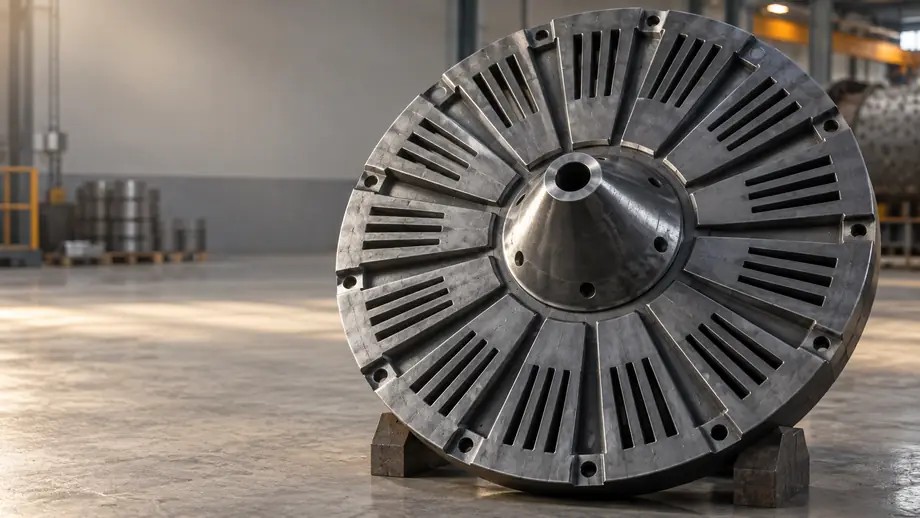
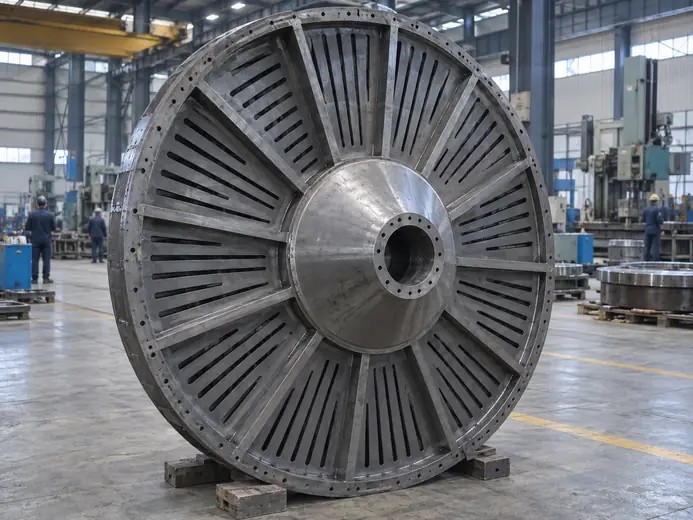
When output falls, fineness swings and power per tonne rises, the diaphragm can be the restriction that is easy to overlook.
01
Material stops moving freely and the chamber level becomes unstable.
02
Coarse particles and broken grinding media can pass into the fine chamber.
03
Heat remains in the mill, reducing grinding efficiency and process stability.
04
The mill uses more electricity to reach the same fineness and production target.
Industry context: global cement production is about 4.1 billion tonnes per year and cement production accounts for roughly 8% of global carbon emissions. Source: ZKG International 2025, citing IEA and GCCA.
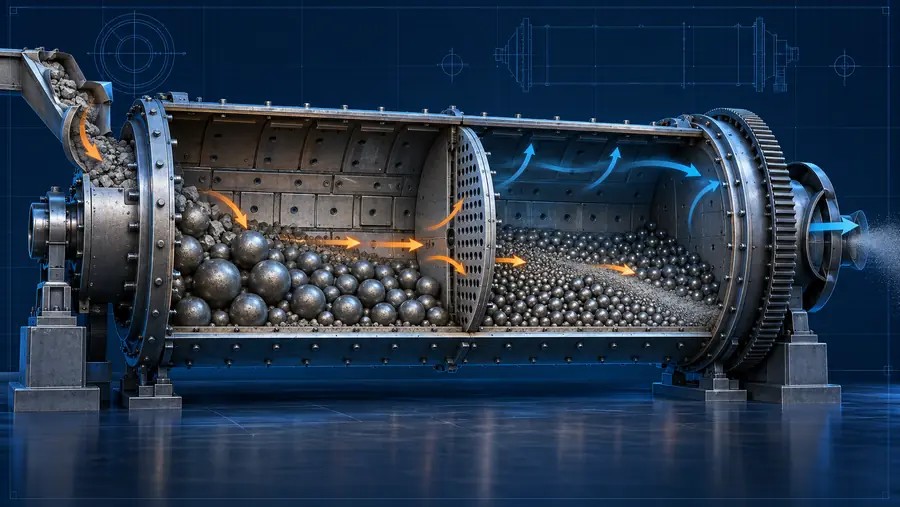
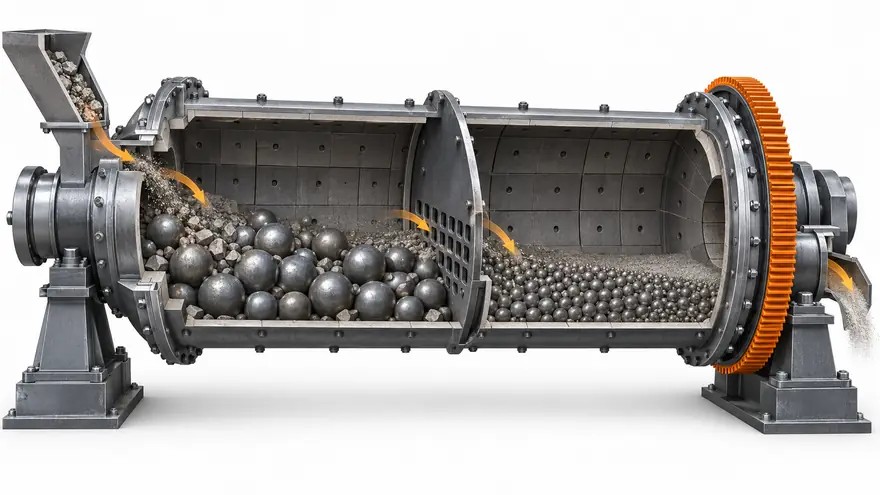
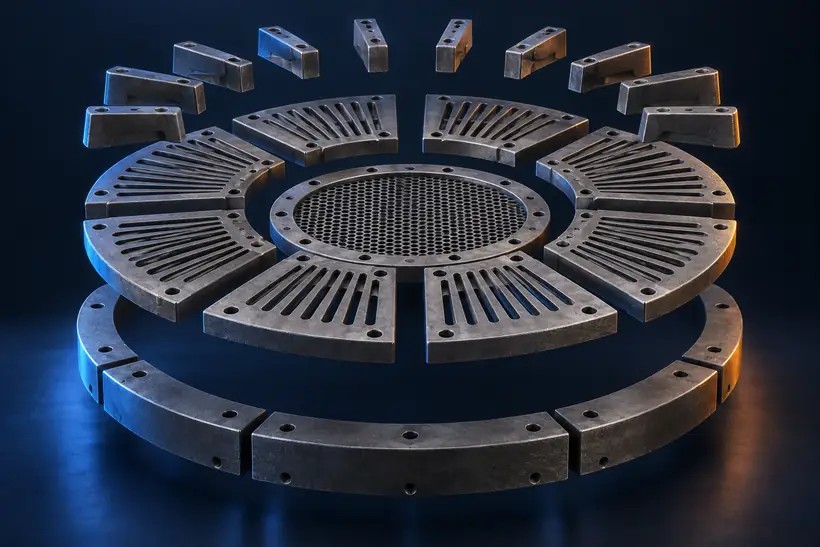
A ball mill diaphragm is a slotted metal wall installed inside the mill shell. It divides the mill into grinding chambers and works with liners and grinding media to control the process.
| Function | Process effect |
|---|---|
| Separate grinding media | Large balls remain in the impact zone while smaller media handles fine grinding. |
| Retain oversize material | Particles above the slot limit stay in the first chamber until ground down. |
| Control material flow | Open area and slot geometry influence residence time and chamber filling. |
| Maintain ventilation | The opening layout supports stable airflow and heat removal. |
Structure and installation position are selected around separation duty, material transfer and the mill arrangement.
BY STRUCTURE
Fan-shaped slotted plates with a centre plate for standard separation and straightforward maintenance.
BY STRUCTURE
A blind plate and slotted plate provide tighter control of coarse material transfer.
BY STRUCTURE
Lifter elements support material transfer where flow resistance is a concern.
BY POSITION
Installed between chambers to regulate transfer from coarse to fine grinding.
BY POSITION
Installed at the outlet to release finished material while retaining grinding media.
SPECIAL DUTY
Configured for drying duty or central-discharge mill arrangements.
| Material family | Character | Selection focus |
|---|---|---|
| High manganese steel | High toughness | Impact-heavy duty and budget control |
| Modified manganese steel | Improved wear balance | General grinding service |
| Multi-element alloy steel | Hardness and toughness balance | Broad operating envelope |
| High chromium cast iron | Strong abrasion resistance | Abrasive material and slot retention |
| Composite material | Application-specific balance | Special impact and wear conditions |
Available grades include Mn13Cr2, Mn14Cr2 and Mn18Cr2, with the final choice confirmed against the application.
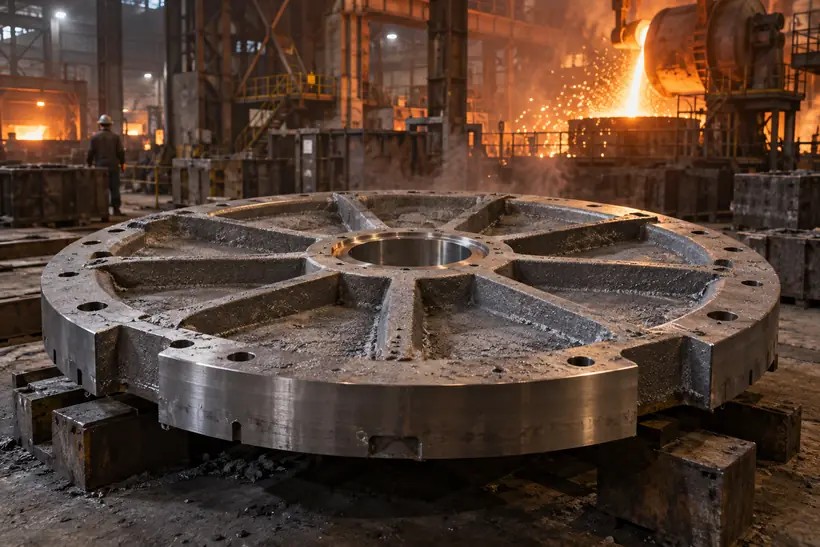
Duty: material abrasiveness, feed size and ball charge.
Structure: shell movement and load transfer through the assembly.
Slot holding: resistance to opening wear so fineness stays stable.
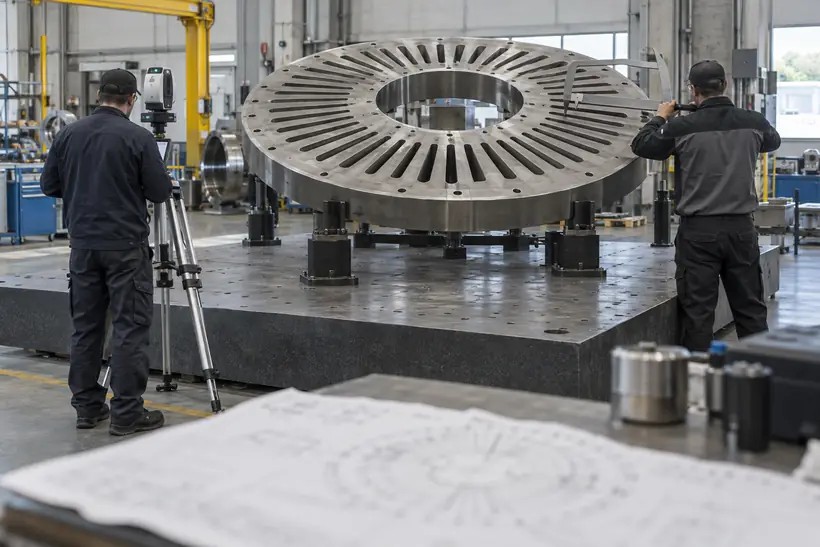
Sizes, plate thickness, slot geometry and material grade are confirmed from your drawing, mill data and operating conditions.
| Mill compatibility | Custom made to supplied dimensions, drawings and operating data. |
| Slot width | Selected by chamber position, material and required separation. |
| Slot direction | Horizontal, vertical or mixed layouts can follow the original design. |
| Drying duty | Open lifting structures can be engineered for elevated gas temperatures. |
| Custom work | Drawing-based and measurement-supported production. |
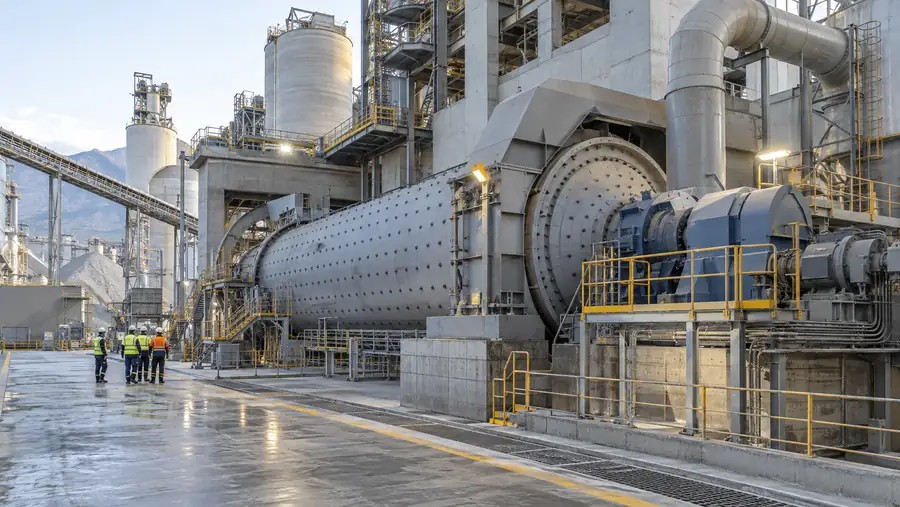
Cement and raw mills where two chambers divide impact and fine grinding duties.
Ore-grinding mills requiring controlled transfer and durable wear components.
Drying chambers, central discharge and open- or closed-circuit systems.
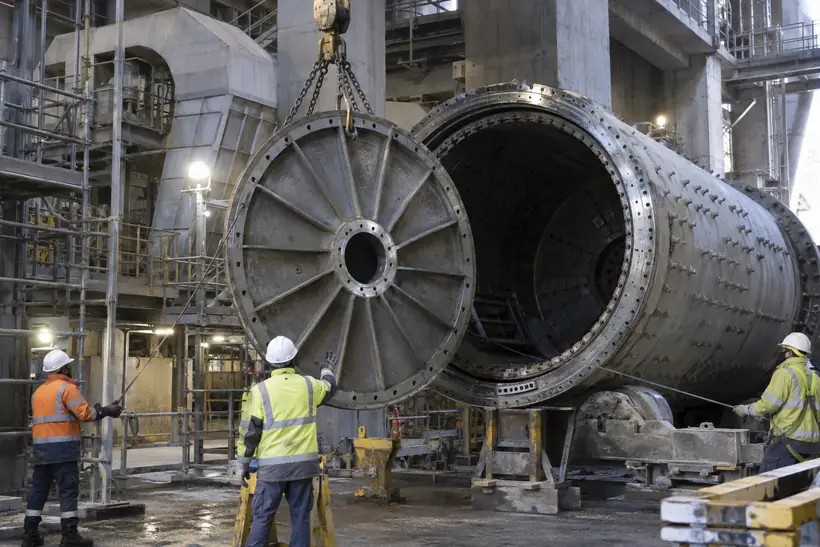
A published cement-plant case involved a 4.6 m diameter mill with about 14.0 m of effective grinding length. The intermediate diaphragm was replaced and the ball charge was re-sorted.
A clear engineering path reduces fit-up risk and keeps the replacement aligned with the maintenance window.
01
Share chamber dimensions, material, drawings and the operating problem.
02
Structure, material and opening layout are matched to the duty.
03
Components are produced to confirmed drawings and inspection points.
04
Technical documents support fitting, checking and commissioning.
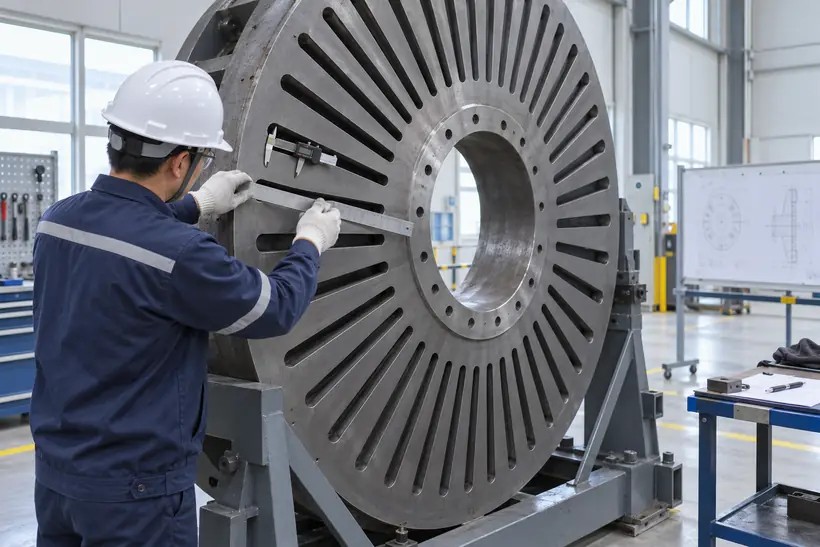
AGICO Cement approaches the diaphragm as part of the complete grinding system, connecting selection, manufacturing and replacement support.
Material, structure and slot arrangement are reviewed against mill data and operating conditions.
Production follows confirmed interfaces instead of relying on a generic size list.
Diaphragms, liners and grinding media can be considered together at critical interfaces.
Dimensions, material records, hardness and additional checks can be defined in the order scope.
Quotation data, technical documents and fitting guidance are organized around the project and shutdown schedule.
It separates grinding media, retains oversize material, controls transfer between chambers and supports airflow through the mill.
An intermediate diaphragm regulates movement between grinding chambers. A discharge diaphragm releases finished material while retaining grinding media.
The answer depends on abrasion, impact, feed size, ball charge and structural loading. Material selection should follow the actual duty.
Slot width is selected from the mill arrangement, chamber position, material and target separation.
Inspect it when slots widen or clog, plate gaps appear, broken media passes through, or output and fineness become unstable.
Yes. Supply can follow confirmed drawings, dimensions, nameplate information and clear reference photographs, with measurement support where required.
It can improve flow and stability when the existing diaphragm is worn or poorly matched. Results depend on the mill and the full internal system.
Tell AGICO Cement what is happening inside your mill. The right starting information helps us review the structure, material and fit before quotation.
Static design preview. Connect this form to the website enquiry handler before publication.
Room 908, unit 1, building 2, Huaqiang Xintiandi, Xiange Avenue, Anyang, Henan Province, China +86 18603725242